
A valid ESA letter for housing is a clinician-signed statement that documents a disability-related need for your animal and, once submitted, can require a landlord to waive pet fees and breed or weight restrictions under the Fair Housing Act. Your first move is simple: ask your treating clinician if they'll write it. No clinician yet? Start by establishing real care with a licensed provider instead of buying an instant certificate.
TL;DR:
- A legitimate ESA letter must include specific language linking the animal to symptom relief, not just emotional support, to satisfy HUD requirements.
- Only licensed mental health professionals with an active provider-patient relationship and state licensing can legally issue valid housing ESA letters.
- Submit the letter via certified mail or official tenant portals, keeping documentation proof, and avoid landlords demanding diagnosis details or notarized affidavits.
- Most landlords expect the ESA letter to be dated within the past 12 months, so plan for annual updates or renewal.
- Beware of instant-approval vendors offering generic or unverified letters, and verify any clinician’s license before paying or sharing personal information.
Table of Contents
- What does an ESA letter need to say for housing?
- Who Can Legally Write an ESA Letter for Housing?
- How Do You Get a Legitimate ESA Letter for Housing?
- How Do You Submit the Letter and What Can a Landlord Ask?
- Do State Laws Change ESA Housing Rules?
- How Long Is an ESA Letter Valid?
- How Do You Spot and Avoid ESA Letter Scams?
- What It Looked Like to Actually Get One Approved
- How Supportpet Helps You Get This Right
- Sources
- FAQ
What Does an ESA Letter Need to Say for Housing?
HUD's guidance on assistance animals spells out exactly what a letter needs, and none of it is complicated. A landlord who receives a complete letter has little reason to ask follow-up questions, which is exactly the point.
A reliable letter includes:
- Your full name
- The clinician's name, professional license number, and the state where they're licensed
- A statement confirming an established provider-patient relationship
- Confirmation that you have a disability under the FHA (no diagnosis required)
- A nexus statement connecting the animal to relief from your symptoms
- The type of animal
- A signature and date, with a suggestion that the letter be dated within the past year
That nexus statement carries more weight than any other line. A sample letter from the Bazelon Center shows how it should read: specific, functional language tying the animal to a documented benefit, not a vague gesture at "emotional support."
Pro Tip: A letter that says "the animal provides emotional support" is weak. One that says "the animal reduces the frequency of panic episodes by prompting a grounding routine" gives the landlord exactly what HUD asks for and nothing to question.

Landlords also face limits. HUD guidance makes clear that housing providers cannot demand notarization, a specific federal form, or your diagnosis. A letter built around the checklist above closes off nearly every legitimate reason for a landlord to push back.
Who Can Legally Write an ESA Letter for Housing?
Not every website offering a "licensed professional review" actually delivers one. Under the Fair Housing Act, the letter has to come from a licensed mental health professional who has an active clinical relationship with you, and that provider needs to be licensed in your state.
Professionals who typically qualify:
- Licensed clinical social workers (LCSWs)
- Licensed professional counselors (LPCs) or licensed mental health counselors (LMHCs)
- Clinical psychologists
- Psychiatrists
- Primary care physicians treating a qualifying condition
Several states have tightened the rules around what counts as a legitimate clinical relationship. Some now require a minimum period of care, often around 30 days, before a provider can issue a housing letter. That trend exists because "mills" were issuing letters after a five-minute intake form with zero ongoing care. A letter from a provider who never actually evaluated you is exactly the kind of documentation a landlord's attorney will flag, and it puts your housing accommodation at real risk.
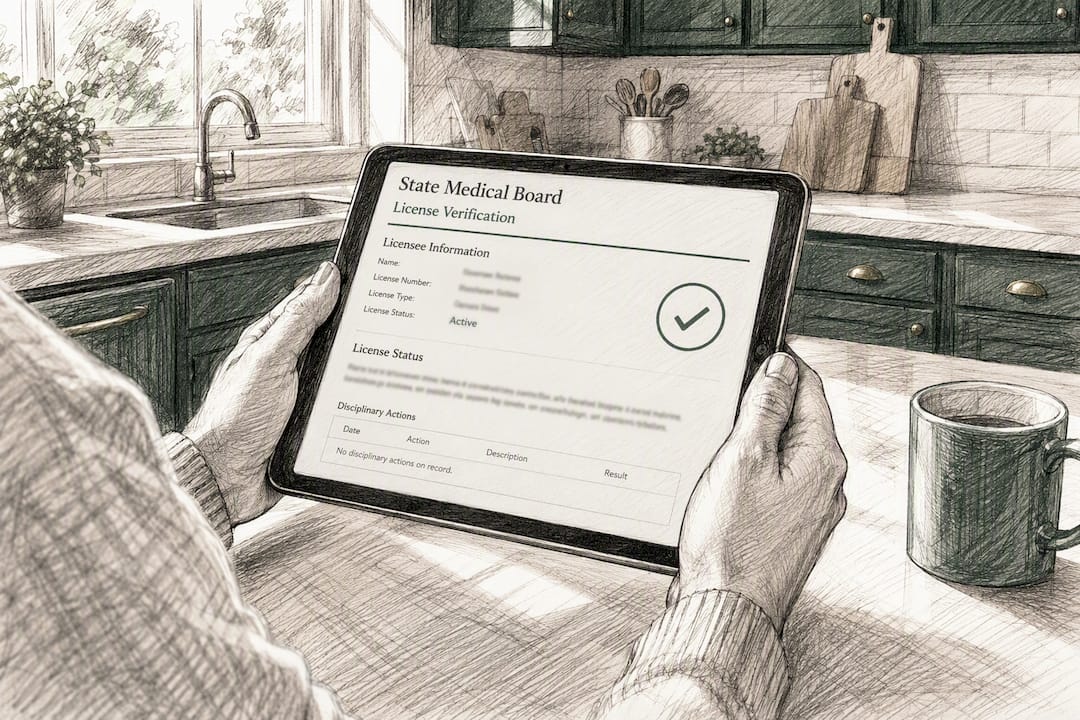
Before you commit money or time, verify the provider's license through your state's medical or counseling board website. It takes five minutes and confirms the license is active, not suspended, and issued in the state where you live. When you reach out to a clinician, ask directly: "Do you have an active relationship with me, and are you comfortable documenting my need for an emotional support animal for housing purposes?" A provider who hesitates or asks nothing about your history isn't the right one to sign this.
How Do You Get a Legitimate ESA Letter for Housing?
Getting a housing letter for emotional support animal accommodation follows a predictable sequence. Skipping steps is how people end up with paperwork a landlord rejects.
- Start with your existing clinician. If you're already in treatment, ask directly: "I'd like to request a housing accommodation letter for my emotional support animal. Can you document my diagnosis and how the animal helps manage my symptoms?" Bring a copy of your lease's pet policy so they understand what the letter needs to address.
- If you don't have a provider, find one properly. Telehealth is fine as long as the platform connects you with a licensed clinician who conducts a real evaluation, not a flat-fee form. Confirm their license before you pay anything, and avoid any service promising a letter within minutes with no intake process.
- Ask for specific language. Request that the letter include a detailed nexus statement, not generic wording, and confirm the animal type is named. Make sure it's signed and dated before you submit it.
Once the letter is in hand, submit it by certified mail with a return receipt, or through your building's tenant portal if one exists. Screenshot the upload confirmation either way.
Pro Tip: Keep a folder, physical or digital, with the letter, your submission proof, and any written response from your landlord. That folder is your entire case if a dispute ever comes up.
How Do You Submit the Letter and What Can a Landlord Ask?
Submission is where a lot of good letters get lost in the shuffle. Use certified mail with a return receipt, or upload through your building's official tenant portal and save a dated screenshot. A short cover note works well: "I'm requesting a reasonable accommodation under the Fair Housing Act for my emotional support animal. Documentation from my licensed provider is attached."
What a landlord can legitimately ask for:
- Confirmation that you have a disability and a disability-related need for the animal
- Verification of the provider's license
- Clarification if the letter is missing required elements
What they cannot demand:
- Your specific diagnosis
- A notarized statement or sworn affidavit
- Payment of a fee to "process" the accommodation request
HUD encourages housing providers to respond to accommodation requests promptly. If your landlord follows up with a reasonable clarification question, answer it quickly. If they refuse outright or go silent for weeks, document every communication and contact your local housing agency or a tenant advocacy resource like DWELR for guidance on your specific market.
Do State Laws Change ESA Housing Rules?
Federal law under the Fair Housing Act sets the floor, but states can add their own wrinkles. Some now require documented proof of an established provider relationship, sometimes with a minimum time period, before a letter counts as valid.
Before relying on a letter, especially one from an out-of-state telehealth provider, verify local rules:
- Check your state's housing agency or attorney general's consumer protection page
- Review your state's medical or counseling licensing board for provider verification requirements
- Look at model guidance like Massachusetts's assistance-animals page, which mirrors HUD's principles while adding state-specific documentation notes
- Reach out to a tenant advocacy group if your state's guidance is unclear
If you're moving states, try to maintain continuity with your existing provider through telehealth. If that's not possible, plan to establish care with a new licensed clinician in your new state well before your lease application is due.
How Long Is an ESA Letter Valid?
There's no federal expiration date on an ESA letter, but that doesn't mean landlords treat every letter as permanent. In practice, most housing providers expect a letter dated within the past 12 months, particularly at move-in or lease renewal.
Treat renewal as routine maintenance rather than a hurdle. A brief check-in with your clinician to confirm your treatment relationship and update the date is usually all it takes.
Keep three things on file:
- A copy of the current letter
- Proof of submission (certified mail receipt or portal screenshot)
- Any written response from your landlord
That paper trail matters most exactly when you don't expect to need it, like a new property manager questioning documentation your last landlord never blinked at.
How Do You Spot and Avoid ESA Letter Scams?
The clearest red flag is speed without evaluation. Any site promising an instant letter after a two-minute quiz and a flat fee, with no clinician conversation, isn't documenting a real treatment relationship. Identical boilerplate letters across thousands of customers are another tell, along with vendors who claim their letter guarantees universal acceptance. HUD guidance explicitly discourages notarization or special forms, so a vendor pushing either one is selling you something landlords aren't required to honor.
Safer alternatives:
- Work with your existing clinician or a telehealth provider who conducts a genuine evaluation
- Verify the provider's license on your state's licensing board before paying
- Ask for the provider's license number and office contact information directly
Pro Tip: If a vendor won't give you a clinician's license number before you pay, that's your answer. Walk away.
What It Looked Like to Actually Get One Approved
The process I watched play out for a friend started with an honest conversation with her existing therapist, someone she'd seen for months already. She asked directly for a housing letter, and her therapist wrote a nexus statement specific to her anxiety symptoms rather than a generic line about comfort. She submitted it through her building's portal, screenshotted the confirmation, and had written approval within a week. Nothing about it was dramatic. It worked because the relationship was real before the letter existed. For anyone who wants exact phrasing to bring to a clinician, Supportpet has templates worth reviewing before that first conversation.
— Erik
How Supportpet Helps You Get This Right
Supportpet is the resource for renters who want to get their ESA housing letter right the first time instead of guessing what a landlord will accept. Rather than gambling on a vendor promising instant approval, you get HUD-grounded checklists, sample nexus-statement language, and state-specific notes that show exactly what your documentation needs before you ever contact a clinician.
The guide walks through what to bring to your provider conversation, how to format your submission, and what records to keep in case a landlord follow-up ever turns into a dispute. It's built for the non-clinical side of the process, the paperwork and timing questions that have nothing to do with your treatment and everything to do with getting your accommodation approved without friction. Visit Supportpet to pull the templates and checklists before you request your letter.
This article is general information, not a substitute for advice from a qualified doctor. Consult a qualified healthcare professional about your own circumstances before acting on anything here.
Sources
- Assistance animals in housing | HUD
- Fair Housing Act | U.S. Department of Justice
- Sample ESA letter | Bazelon Center (sample letter PDF)
FAQ
What does an ESA letter need to say for housing?
It needs your name, the clinician's license information, confirmation of a disability, a nexus statement linking the animal to symptom relief, the animal type, and a signature and date, following HUD's documentation guidance.
Where do I get a legitimate ESA letter?
Start with your current treating clinician if you have one; if not, establish care with a licensed mental health professional or physician who conducts a real evaluation, not a vendor offering instant letters for a flat fee.
Do ESA letters work across states?
The federal Fair Housing Act applies nationwide, but some states add requirements like a minimum established provider relationship, so check your state's housing agency guidance before relying on an out-of-state letter.
Can I write my own ESA letter?
No. A valid letter must come from a licensed mental health professional or physician with an active clinical relationship with you; a self-written letter carries no legal weight under the FHA.
How long is an ESA letter valid for housing?
There's no federal expiration, but most landlords expect a letter dated within the past 12 months, so plan on a brief renewal check-in with your clinician annually.